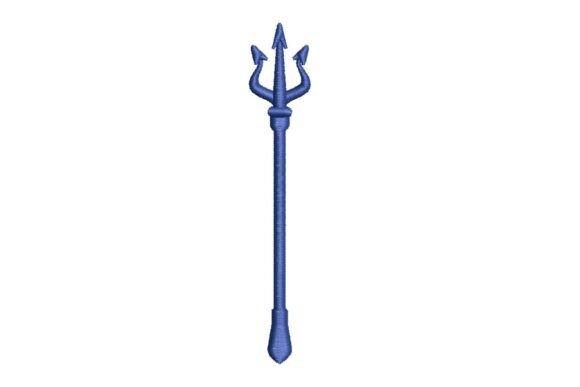
Nautical Trident Embroidery Design Review
As an embroidery designer who has spent years digitizing logos and testing files for commercial production, I approach every new machine embroidery design with a critical eye. It is not just about whether the image looks good on a screen; it is about how it translates to fabric, how it holds up in a wash cycle, and most importantly, how it serves the brand identity of the small business using it. Recently, I reviewed the Nautical Trident Embroidery Design, and I want to share my professional assessment for fellow decorators, Etsy sellers, and boutique owners looking to elevate their merchandise.
First Impressions and Visual Personality
The first thing that strikes you about this design is its commanding presence. The description highlights a classic trident, symbolizing sea deities and naval strength, and the visual execution matches that promise. This is not a whimsical or overly playful cartoon; it feels authoritative, classic, and bold. For businesses operating in the Beach category, such as surf shops, coastal cafes, or marine supply stores, this aesthetic is immediately recognizable and trustworthy.
The textured shaft and distinctive three-pronged head suggest a level of detail that can read as premium if handled correctly. In my experience, designs that rely on strong silhouettes tend to perform better across various applications than those relying solely on fine shading. This design leans into that strength, making it a versatile asset for custom apparel and branded goods.
Real-World Business Applications
When evaluating a digital embroidery file for business use, I always ask: where does this live? Here is how I see the Nautical Trident Embroidery Design performing in real-world scenarios:
- Embroidered Patches: This is perhaps the strongest application. A trident symbol works exceptionally well as a standalone patch for hats, backpacks, or denim jackets. The bold lines allow for clear visibility even at smaller sizes, making it ideal for customer gifts or loyalty rewards.
- Staff Uniforms and Aprons: For a seaside restaurant or a boat charter company, placing this design on the chest pocket of a work shirt or the corner of an apron embroidery project adds instant professionalism. It signals authority and expertise without being overpowering.
- Cap Embroidery: The vertical nature of the trident fits naturally on the front panel of a baseball cap. However, curvature is a factor here, which I will address in the technical notes below.
- Tote Bag Design: Canvas bags are a staple for handmade brands. A large-scale version of this design centered on a tote creates a striking statement piece that customers are proud to carry, effectively turning them into walking billboards for your brand.
Technical Considerations for Production
While the aesthetic is strong, the technical execution requires attention to detail. As a designer, I must warn against assuming any file is "plug and play" without testing. Here are the critical factors to consider before running this design on your machine:
Stitch Density and Fabric Texture
The description mentions a "textured shaft." In embroidery, texture is created through stitch angles and density. If the stitch density is too high, the design may become stiff and could pucker lightweight fabrics like cotton t-shirts. Conversely, if it is too low, the underlying fabric might show through, especially on dark uniforms. I recommend testing this design on a scrap piece of the exact fabric you intend to use. Pay close attention to how the thread colors interact with the fabric texture. A high-contrast thread, such as white or metallic gold on navy blue, will highlight the details best.
Hoop Size and Placement
Before purchasing, verify the available hoop size options. A design intended for a jacket back will have different requirements than one meant for a sleeve detail. Ensure the file you acquire is optimized for the hoop you plan to use. If you are creating a printable mockup for client approval, make sure the scale in your software matches the actual stitched dimensions to avoid miscommunication.
Stabilizer Selection
Given the potential weight of a dense trident design, proper stabilization is non-negotiable. For caps, use a sturdy cap frame and appropriate backing. For towels or textured items, a cut-away stabilizer is often necessary to prevent distortion over time. Never skip this step, as it directly impacts the longevity of the finished product.
Brand Identity and Customer Trust
Why does this matter for your bottom line? Because consistent, high-quality design assets build trust. When a customer sees a crisp, well-executed emblem on a product, they perceive higher value. The Nautical Trident Embroidery Design offers a sense of heritage and strength. For a small business, this translates to perceived reliability.
Using this design across multiple touchpoints—such as on packaging accents, staff badges, and retail merchandise—creates visual consistency. This cohesion helps customers recognize your brand instantly. Whether you are selling small business merch at a local craft fair or shipping orders globally, the quality of your embroidery reflects the quality of your service.
Where to Use Caution
Not every application is suitable. Avoid using this design on items that undergo extreme friction or frequent industrial washing unless you have tested its durability extensively. Additionally, be cautious with very small patch sizes. If the three prongs become too close together, they may merge during stitching, losing the distinct shape that makes the trident recognizable. Always check the minimum recommended size provided with the embroidery file.
Also, consider the context. While it fits perfectly in the Beach and nautical niche, it may feel out of place for brands aiming for a soft, rustic, or minimalist aesthetic unless adapted significantly. Know your audience.
Final Designer Notes
Before committing to a full production run, follow these steps:
- Test in Black and White: Stitch out the design using only black thread on white fabric. This reveals the structural integrity and spacing issues without the distraction of color.
- Check Commercial Licensing: Ensure the license terms allow for commercial embroidery and mass production if you plan to sell items featuring this design. Do not assume; read the terms.
- Create Mockups: Use digital tools to visualize the design on different products. Compare it beside other design assets to ensure it complements your existing brand palette.
- Inspect Details: Zoom in on the digitized file. Look for jump stitches that can be trimmed and ensure the underlay is sufficient for stability.
In conclusion, the Nautical Trident Embroidery Design is a robust choice for businesses looking to convey strength and tradition. With proper technical handling and strategic placement, it can become a cornerstone of your brand identity. Treat it with the respect it deserves, test it thoroughly, and it will serve your business well.