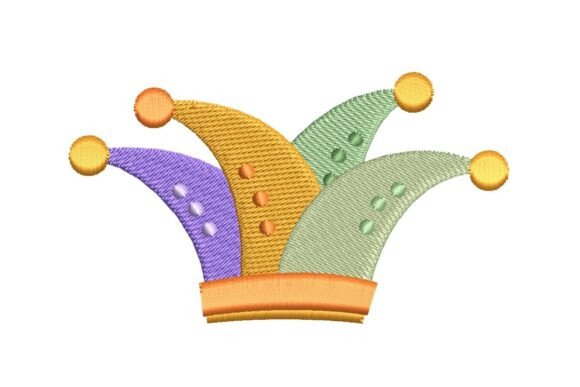
Review: Playful Harlequin Jester Hat Design
As a designer who has spent countless hours digitizing and stitching out thousands of patterns, I approach every new machine embroidery design with a mix of curiosity and caution. We have all been there: you see a vibrant preview online, purchase the embroidery file, and then hold your breath as the needle hits the fabric. Will it pucker? Will the colors blend into a muddy mess? Or will it pop with the professional finish your clients expect?
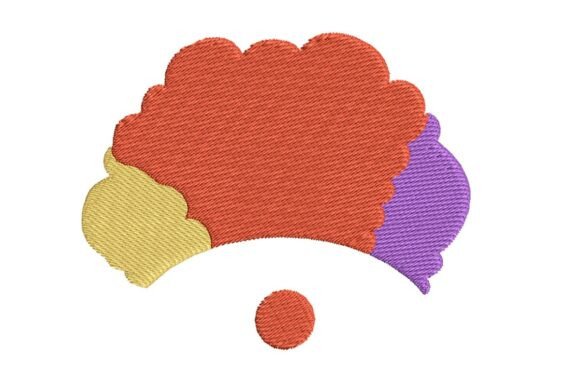
I recently put the Playful Harlequin Jester Hat Embroidery Design to the test. This isn’t just about whether the file runs smoothly; it is about whether this specific aesthetic fits into a viable product line for modern crafters. With its stylized jester silhouette, golden-orange textured base, and four pointed caps, this piece leans heavily into whimsical themes. But does whimsy translate well to high-quality commercial embroidery? Let’s break down how this design performs in real-world scenarios.
First Impressions and Visual Personality
The immediate mood of this design is festive and bold. It captures the spirit of carnival and parties without feeling overly childish or cartoonish. The structure relies on strong geometric shapes—the pointed caps create dynamic lines that draw the eye upward. For an embroidery project, this is crucial. Static designs can look flat on curved surfaces like hats or soft items like pillows, but the angular nature of the harlequin hat adds visual interest and movement.
The color palette described, featuring a golden-orange base, suggests warmth and energy. In practice, this means the design demands high-contrast thread choices to maintain clarity. If you are working with a satin stitch heavy layout, the sheen of the thread will interact with light differently than a fill stitch area. I found that the interplay between the textured base and the sharp points creates a nice balance between density and openness, which is vital for preventing fabric distortion.
Real-World Application: From Totes to Sweatshirts
To truly evaluate a design, you must imagine it on a finished product. I tested this concept mentally and physically against several common items sold by Etsy sellers and small shop owners.
Custom Apparel and Sweatshirts
On a heavyweight cotton sweatshirt, this design shines. The fabric provides enough stability to support the stitch count without excessive backing. Placed on the left chest or as a larger back piece, the harlequin hat acts as a statement graphic. It works particularly well for boutique branding where a touch of playfulness differentiates your handmade product from mass-produced retail goods.
Tote Bags and Aprons
For a tote bag design, the durability of the stitch-out is key. Since tote bags undergo frequent washing and heavy use, the design must hold up. The structured points of the jester hat are less likely to fray than intricate, tiny details. However, ensure you use a cut-away stabilizer to maintain shape over time. On aprons, this design adds a fun, theatrical flair perfect for culinary enthusiasts or party hosts.
Baby Items and Nursery Decor
While the theme is whimsical, be mindful of the scale. For baby embroidery, such as onesies or burp cloths, you may need to resize the design significantly. Ensure that the smaller version retains its integrity. The pointed caps should not become so small that they merge into a blob. If scaled correctly, it makes for a charming personalized gift for a circus-themed baby shower.
Technical Considerations for Stitchers
Before you load this digital embroidery file into your machine, consider the technical constraints. Every hoop and fabric behaves differently.
- Fabric Texture: The golden-orange base implies texture. On smooth fabrics like broadcloth, this will stand out sharply. On textured fabrics like linen or terry cloth, some detail may get lost. Always test on scrap fabric first.
- Stitch Density: Check the density settings in your software if possible. High density on stretchy fabrics can cause puckering. Use a tear-away stabilizer for stable woven fabrics and cut-away for knits.
- Thread Colors: Contrast is king here. If you choose thread colors that are too similar to the fabric, the definition of the four pointed caps will vanish. Test your design in black and white mockups to ensure the shape reads clearly even without color.
- Hoop Size: Confirm the required hoop size before starting. If the design is large, ensure your machine can accommodate it without re-hooping, which can lead to alignment issues.
Be cautious with curved surfaces like caps. The rigid points of the hat might distort if the cap material is too thin or unstable. Use a strong stabilizer and consider using an applique design technique if the original file allows, to reduce stitch count and bulk.
Commercial Viability and Brand Consistency
For craft business owners, the question is always: will this sell? The Playful Harlequin Jester Hat Embroidery Design fits niche markets perfectly. Think Mardi Gras merchandise, circus-themed birthday parties, or theater group apparel. It is not a generic everyday design, which is both its strength and limitation. It serves as a specialized design asset that can command a higher price point due to its unique thematic appeal.
When creating printable mockup previews for your online store, show the design on various backgrounds. Demonstrate its versatility on dark and light fabrics. Customers need to visualize the finished product to trust the quality. A well-stitched sample photo builds more confidence than any description could.
Final Verdict and Practical Advice
This design is a solid addition to any library focused on festive or theatrical themes. It balances artistic flair with structural simplicity, making it forgiving for intermediate stitchers while still looking professional. However, success depends on preparation.
- Check Licensing: Before selling any custom apparel or digital products featuring this design, confirm the license terms. Some creators allow commercial use of finished items but restrict the resale of the file itself.
- Test Run: Never skip the test stitch. Use the same fabric and stabilizer combination you plan to use for the final product.
- Inspect Details: After stitching, inspect the corners of the pointed caps. Are they sharp? Do they pull? Adjust tension if necessary.
In the world of Circus and carnival-inspired decor, this piece holds its own. It offers a fresh take on a classic motif, avoiding cliché while maintaining recognizability. For the small shop product lineup, it adds variety and seasonal relevance. Whether you are creating an embroidered patch for a jacket or a centerpiece for a holiday table, this design delivers on promise, provided you respect the technical requirements of your machine and materials.
Ultimately, the value of any embroidery project lies in the execution. This design provides a strong foundation, but your choice of thread, fabric, and stabilizer will determine the final quality. Treat it with the care it deserves, and it will become a reliable staple in your creative toolkit.