Review: Stylized Delesseria Seaweed Embroidery Design
As an embroidery designer who spends countless hours digitizing and testing files for commercial use, I have learned that not every machine embroidery design is created equal. Some are technically sound but lack soul, while others are visually striking but poorly optimized for production. Recently, I came across the Stylized Delesseria Seaweed Embroidery Design on Creative Fabrica, and it immediately caught my eye. The botanical theme is trending heavily in the handmade community, but finding a design that balances artistic flair with stitch efficiency is rare. After reviewing the details and visualizing its application in real-world projects, I want to share my honest assessment of whether this file deserves a spot in your digital library.
First Impressions and Visual Appeal
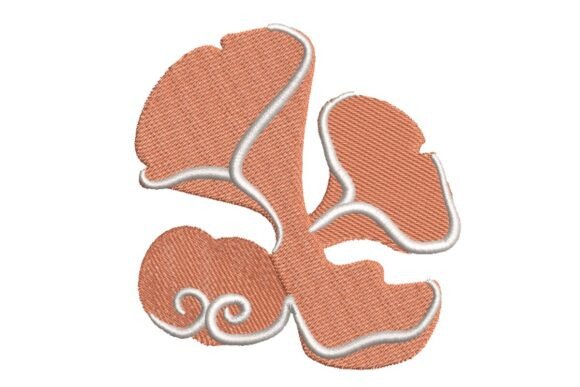
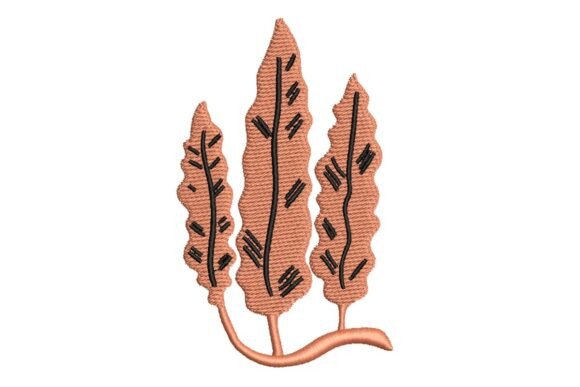
The first thing that stands out about this design is its organic elegance. Unlike rigid, geometric floral patterns, the Stylized Delesseria Seaweed Embroidery Design captures the fluid movement of marine life. The description highlights three elongated, wavy blades in a textured reddish-brown or terracotta hue, which suggests a warm, earthy aesthetic. This color palette is particularly appealing for autumn collections or rustic-themed home decor. The stylized nature of the fronds means it avoids the hyper-realism that can sometimes look messy when stitched out, opting instead for a clean, decorative appeal that reads well from a distance.
For those of us who sell handmade products, visual mood is everything. This design evokes a sense of calm and natural beauty, making it an excellent candidate for brands focused on sustainability, ocean conservation, or slow living. It fits neatly into the Single Flowers category, although its unique structure sets it apart from traditional blooms. The texture implied in the design suggests a thoughtful use of fill stitch and possibly satin stitch borders, which can add depth without excessive bulk.
Practical Applications for Commercial Use
When I evaluate a new embroidery file, I always ask myself: "Where will this sell?" The versatility of the Stylized Delesseria Seaweed Embroidery Design is one of its strongest assets. Here are several ways I envision using this design in a small business context:
- Tote Bag Design: The elongated shape of the seaweed fronds works beautifully on canvas totes. Placing the design vertically along the side seam or centered on the front creates a modern, minimalist look.
- Sweatshirt Embroidery: For custom apparel, this design would look stunning on the left chest of a neutral-toned hoodie or crewneck. The terracotta tones pair exceptionally well with oatmeal, sage green, or charcoal fabrics.
- Kitchen Towels and Aprons: Given the botanical theme, this is a natural fit for kitchen textiles. Stitching it on the corner of a linen towel adds a touch of sophistication that elevates the perceived value of the item.
- Embroidered Patch: If you create patches, this design could be digitized further or used as-is on felt backing. It would appeal to customers looking for unique, nature-inspired accessories.
- Nursery Decor: Softened thread colors could make this suitable for baby blankets or pillow covers, offering a gentle, gender-neutral decorative element.
For Etsy sellers and craft fair vendors, having a distinctive design like this helps with brand consistency. It allows you to create a cohesive collection across different product types, from personalized gifts to boutique merchandise. Furthermore, the clean lines of the design make it ideal for creating printable mockup assets, allowing you to showcase your products online before stitching a single thread.
Technical Considerations and Stitching Performance
While the visual appeal is strong, the technical execution is what determines whether a design is profitable. When working with the Stylized Delesseria Seaweed Embroidery Design, there are several practical factors to consider to ensure a high-quality finished product.
First, pay attention to stitch density. Textured designs often rely on dense stitching to create the illusion of depth. If the density is too high, it can cause puckering, especially on lighter fabrics like cotton voile or thin linen. I recommend testing the design on scrap fabric similar to your final product. If you notice pulling, adjust your stabilizer strategy. A cut-away stabilizer is generally safer for garments that will undergo frequent washing, while tear-away may suffice for stable home decor items like pillow covers.
Second, consider the hoop size. Although the exact dimensions are not specified in the brief description, the three-blade structure suggests a moderate footprint. Ensure your machine’s hoop can accommodate the full height of the fronds without needing to re-hoop, which can lead to alignment issues. If you plan to use this on curved surfaces, such as caps, verify that the design width fits within the cap frame and that the stitch direction follows the curve naturally to prevent distortion.
Thread choice is another critical element. The description mentions a reddish-brown or terracotta color. To enhance the textured look, consider using a matte thread like rayon or polyester for the fill areas, and perhaps a slightly thicker thread for any outline stitches if the file permits. Contrast is key; on dark fabrics, ensure the thread color pops, or consider adding a light underlay if the design allows. Always review the thread colors suggested in the file details and compare them against your inventory.
Enhancing Product Value and Buyer Trust
In the competitive world of commercial embroidery, the quality of your stitching directly impacts buyer trust. A clean, well-executed Stylized Delesseria Seaweed Embroidery Design signals professionalism. Customers are more likely to engage with products that look polished and intentional. By choosing a design with inherent artistic merit, you reduce the need for excessive embellishment, letting the embroidery speak for itself.
Moreover, using unique design assets from platforms like Creative Fabrica helps differentiate your shop from competitors who rely on generic, overused motifs. This uniqueness can justify a higher price point and encourage repeat customers who appreciate your curated aesthetic. When photographing your items, the organic shapes of the seaweed fronds create interesting shadows and textures, enhancing the visual appeal of your product listings.
Final Recommendations for Embroiderers
Before integrating the Stylized Delesseria Seaweed Embroidery Design into your production workflow, take these final steps:
- Check File Details: Visit the Creative Fabrica product page to confirm the available formats (such as PES, DST, or JEF) and ensure compatibility with your machine.
- Verify Licensing: Review the license terms to confirm that commercial use is permitted for physical goods. This is crucial for Etsy sellers and small business owners.
- Test on Various Fabrics: Stitch out samples on both stretchy and woven fabrics to assess how the design handles different tensions.
- Inspect Small Details: After stitching, examine the tips of the fronds. Ensure there are no loose threads or jagged edges that could compromise durability.
In conclusion, the Stylized Delesseria Seaweed Embroidery Design offers a compelling blend of artistic charm and practical utility. For embroidery designers and handmade shop owners looking to expand their botanical collections, this file represents a worthwhile investment. With careful attention to stabilizer choice and thread selection, it can become a standout feature in your next line of custom apparel or home decor. Always remember to check the specific technical specifications on the product page to ensure it meets your machine’s requirements before downloading.